Jackrabbit DLM: High-Performance Lightweight Distributed Lock Manager
The Jackrabbit Distributed Lock Manager serves as a professional foundation for modern digital environments where multiple systems must coordinate their actions with perfect timing and reliability. In any complex network where various computers or processes are working toward a common goal, there is a constant risk that they might interfere with one another by trying to access the same digital resource at the exact same moment. This software acts as a specialized traffic controller that ensures only one participant can hold the rights to a specific task or piece of information at a given time. By providing this essential layer of synchronization, the system prevents the confusion and data errors that typically occur when distributed resources are left unmanaged.
One of the primary philosophies behind this project is the pursuit of extreme efficiency and simplicity. Many existing tools for managing shared digital resources are heavy and require significant setup or extra software to function correctly. This particular manager is designed to be completely independent, requiring no outside libraries or complex databases to operate. It offers a high performance alternative for those who need a swift and responsive solution without the baggage of enterprise grade coordinators that often consume massive amounts of system memory and processing power. It is specifically engineered for environments where speed is a top priority and where every millisecond of delay can lead to significant issues in productivity or accuracy.
The architecture is built upon what is known as a blind vault design, which sets it apart from traditional management tools by prioritizing absolute privacy. In most standard systems, the central coordinator can see and store the data being passed through it in a readable format. This manager flips that model on its head by acting as a neutral arbiter that is intentionally kept unaware of the actual content it handles. Before any information ever leaves the user application, it is transformed into an unreadable format. The server simply receives and stores these opaque blocks of information without ever possessing the ability to peek inside. This ensures that even if the central hub were compromised, the actual secrets and state information of the network remain shielded and secure.
Flexibility is another core pillar of the design, allowing users to customize the way their information is protected on the fly. Because the logic for transforming data happens on the client side, individuals can choose exactly how they want to encode or encrypt their communications. Whether a situation requires high level military grade encryption or specialized compression to save on bandwidth, the system allows these choices to be swapped out as needed. This makes the tool highly adaptable to a wide range of industries, from automated trading and financial systems to complex research projects where data integrity and privacy are paramount.
Security within this ecosystem is not just about keeping data hidden but also about ensuring that every participant follows a strict set of rules regarding ownership. The manager enforces a rigorous policy where only the original creator of a lock or a piece of data has the authority to modify or release it. This prevents a common problem in distributed systems where one rogue process might accidentally or intentionally hijack a resource belonging to another. By validating the identity of every request, the server maintains a secure and orderly environment where resources are respected and collisions are handled gracefully. This ensures that the system remains an advisory authority that can be trusted by every node in the network.
Even when things go wrong, the software is designed to be self healing and resilient against common digital failures. Every lock and piece of information is assigned a specific time to live, which acts as a safety countdown. If a participant in the network crashes or loses its connection while holding a critical resource, the system will automatically clear that resource once the timer runs out. This prevents the entire network from grinding to a halt due to a single point of failure. The server also keeps a constant eye on its own health, managing its internal memory and cleaning up old information to ensure that it remains fast and responsive even under heavy long term use. This automated housekeeping is vital for maintaining stability in high pressure environments where manual intervention is not possible.
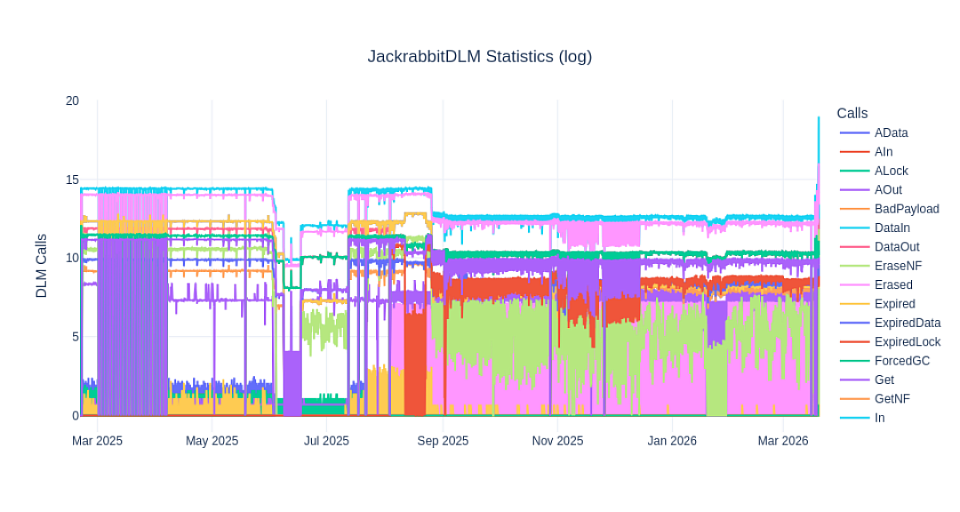
Monitoring the health of such a system is made easy through detailed activity records that provide a clear picture of how the network is performing. Every hour, the manager compiles a summary of how many participants are active, how often resources are being contested, and whether any unauthorized access attempts have occurred. These insights allow administrators to fine tune their systems and identify potential bottlenecks before they become serious problems. The project is part of a broader ecosystem maintained by a dedicated developer and supported by a vibrant community of users who contribute to its ongoing refinement and growth as a general purpose tool for the modern web. Through this collaborative effort, the software continues to evolve as a robust solution for anyone needing to coordinate complex distributed tasks with absolute confidence.
